
The Benefits of LED Lighting
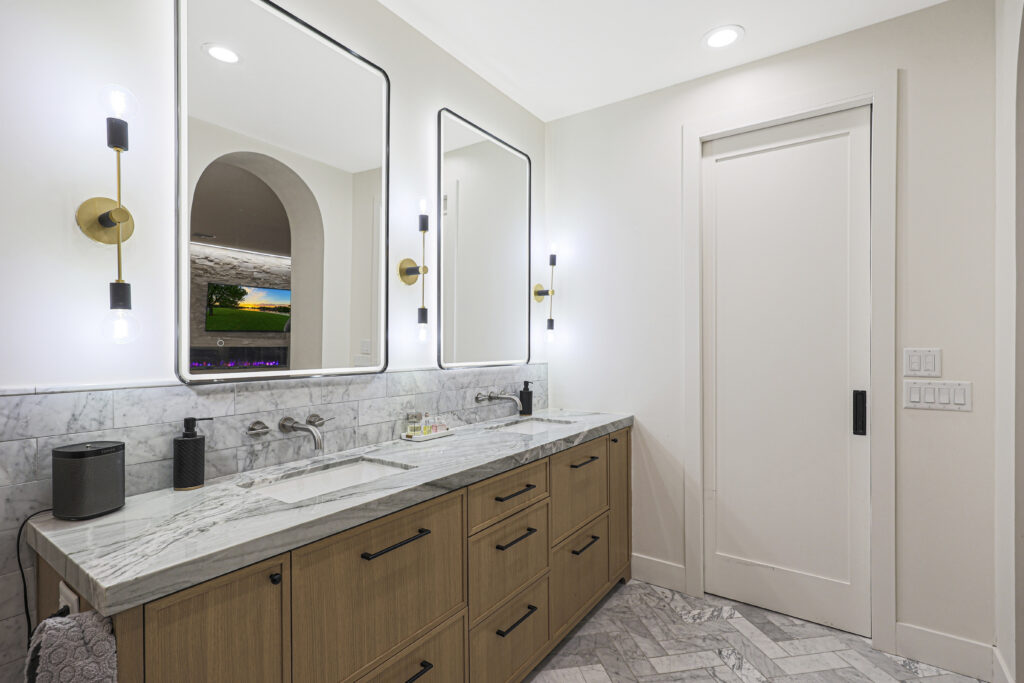
Lighting is one of the few upgrades that touches nearly every part of daily life. It affects how safe you feel walking through a hallway at night, how productive you are under task lighting, how inviting your living room looks when guests arrive, and how accurately you can see colors in your kitchen or bathroom. At the same time, lighting is a steady, predictable part of your electric bill—especially in homes, offices, and shops where lights are used for hours each day. Because of that, improving your lighting is one of the most direct ways to improve both comfort and operating costs without changing how you live or work.
For years, people accepted outdated fixtures and inefficient bulbs because the alternatives felt confusing or expensive. But modern lighting technology has changed that equation. Today, you can upgrade illumination while using far less electricity, producing less heat, and getting more control over brightness and color. These changes don’t just feel “nicer”—they can add up to meaningful monthly savings and create a noticeably better experience in the space.
This is where LED lighting stands out. It’s not simply a trend; it’s a practical improvement that can reduce energy consumption, cut maintenance headaches, and support long-term sustainability goals. In this guide, we’ll break down how efficient lighting creates cost savings, how it can improve aesthetics and usability, and why it’s one of the easiest upgrades to align your home or business with modern environmental priorities.
How Energy Efficiency Turns Into Real Cost Savings
To understand why a lighting upgrade can make such a difference, it helps to know where your money goes. Every time a light is on, electricity is being converted into something useful—illumination—and something not so useful—heat. Older lighting types waste a large portion of their energy as heat, which means you’re paying for electricity that never becomes the light you actually need. Efficient fixtures are designed to reduce that waste, delivering more usable light with less power.
The savings can show up quickly because lighting use is consistent. Even if you don’t think you “use lights that much,” common areas like kitchens, bathrooms, living rooms, hallways, exterior entry points, and garages add up fast. In commercial spaces, the effect is even larger because lights may run all day. When you reduce the watts required to light a space, you reduce the cost of operating that space—day after day, month after month.
There’s another cost factor people overlook: heat. Lights that run hot add heat to the room, especially in smaller spaces or rooms with multiple fixtures. That extra heat can increase cooling demand, which matters a lot in warm climates. An efficient lighting setup can reduce unnecessary heat output, helping your HVAC system work a little less during peak seasons.
Over time, these savings compound. Lower monthly usage can improve overall electrical efficiency in the building and make it easier to add smart controls—like dimmers, timers, and occupancy sensors—that reduce waste even further. Done correctly, the upgrade becomes a long-term cost-control strategy, not just a cosmetic improvement.
Immediate Benefits You’ll Notice (Beyond the Utility Bill)
- Brighter light with less glare: Proper fixture selection can improve visibility while reducing harsh hotspots and eye strain.
- More consistent illumination: Quality fixtures provide steadier light, avoiding the uneven “patchy” look common with older setups.
- Better control over mood: You can choose warmer tones for comfort areas and cooler tones for task-focused areas.
- Less frequent bulb changes: Longer-lasting components mean you replace bulbs far less often, which is a big win for tall ceilings and exterior lights.
- Reduced maintenance interruptions: For businesses, fewer outages means less disruption and a more professional appearance.
- Improved curb appeal: Exterior lighting upgrades can modernize a home’s look and improve nighttime visibility and safety.
- Stronger security lighting options: Brighter, well-placed outdoor lights help deter unwanted activity and improve camera visibility.
- Compatibility with smart features: Many modern systems pair well with automation, motion sensors, and scheduling for added savings.
- Cleaner light for detail work: Garages, workshops, and kitchens benefit from clearer illumination for precision tasks.
- Less heat near fixtures: Cooler operation can make rooms feel more comfortable and reduce stress on nearby materials.
- More design flexibility: Slim profiles, recessed options, under-cabinet lighting, and accent lighting are easier to implement.
- Improved color appearance: Better color rendering can make paint, décor, and materials look more accurate and appealing.

How Modern Lighting Improves Aesthetics and the “Feel” of a Space
Lighting isn’t just functional—it’s emotional. It shapes how a room feels the moment you step into it. A space can be beautifully designed, but if the lighting is dim, uneven, or overly harsh, the room will never feel quite right. Modern fixtures give you more control over the quality of light, which helps you create the atmosphere you actually want, whether that’s cozy, energetic, clean, or dramatic.
One of the biggest aesthetic improvements comes from better light distribution. Instead of relying on a single bright bulb that creates shadows and glare, you can layer lighting: ambient lighting for general brightness, task lighting for work areas, and accent lighting to highlight design features. This approach is especially effective in kitchens, bathrooms, and living areas, where multiple activities happen throughout the day.
Color temperature also plays a major role. Warm tones can soften a bedroom or living room, making it feel inviting and relaxed. Neutral tones can make bathrooms feel fresh and clean. Cooler tones can support focus in offices, garages, and workshops. The key is choosing the right tone for the purpose of the room instead of using one “default” bulb everywhere.
Lighting can also make your finishes look better. Natural stone, cabinetry, flooring, and paint colors all appear different depending on the light source. With thoughtful upgrades, you can improve color accuracy and reduce the dull, yellow, or flickery look that makes spaces feel dated. When done well, the result is a home or business that looks more modern, feels more comfortable, and functions better in everyday life.
Environmental Impact: Why Efficient Lighting Matters Beyond Your Property
Reducing energy use isn’t only about saving money—it’s also about reducing environmental strain. Electricity generation still relies heavily on resource-intensive processes, and the more power we consume, the more fuel and infrastructure are required to supply it. When a household or business reduces its energy demand, it helps lower the overall burden on the grid. That reduction can translate into fewer emissions over time, especially during peak seasons when power plants work hardest.
Another major environmental advantage comes from longevity. Traditional bulbs burn out relatively quickly, which means more frequent replacements, more packaging, more transportation, and more waste. Longer-lasting fixtures reduce that cycle. Fewer replacements means fewer products manufactured and discarded, and that’s a meaningful improvement when multiplied across neighborhoods, cities, and commercial districts.
Efficient lighting also reduces wasted heat. Heat isn’t just uncomfortable—it’s wasted energy. In warm climates, excess heat from lights can contribute to higher cooling demand, which increases electricity use again. Reducing that unnecessary heat can indirectly lower HVAC load, improving efficiency at the building level.
When you add it up—lower power consumption, fewer replacements, and less waste—lighting upgrades become a small but practical way for property owners to support sustainability without sacrificing performance. LED lighting is one of the simplest upgrades that aligns personal cost savings with broader environmental responsibility.
FAQ: LED Upgrades, Costs, and Compatibility
Will I actually notice a difference in my electric bill?
In most cases, yes—especially in areas where lights are used frequently (kitchens, living rooms, exterior lights, offices, and retail spaces). The more hours your lights are on, the faster the savings show up.
Do I need to replace fixtures, or can I just change bulbs?
Sometimes a bulb swap is enough, but older fixtures may not deliver the best performance or light distribution. In many upgrades, replacing fixtures improves brightness, efficiency, and aesthetics at the same time.
Are these lights compatible with dimmers?
Many are, but not all. Dimmer compatibility depends on both the bulb/driver and the dimmer type. Using the wrong combination can cause flicker, buzzing, or limited dimming range.
What color temperature should I choose?
Warm tones are popular for bedrooms and living rooms, neutral tones are common in kitchens and baths, and cooler tones are often used in garages, shops, and workspaces. A good plan matches the light to the room’s purpose.
How long do modern bulbs and fixtures last?
Lifespan depends on quality and usage, but modern options typically last significantly longer than older bulbs, reducing replacement frequency and maintenance.
Is it worth upgrading exterior lighting too?
Yes. Exterior upgrades improve safety, security, visibility, and curb appeal. They can also reduce maintenance since outdoor lights are often hard to access.
Planning an Upgrade: Controls, Layout, and Why Professional Installation Helps
A successful lighting upgrade starts with a plan. The goal isn’t simply to make everything brighter; it’s to make each space more functional, comfortable, and efficient. That means thinking about how each room is used, where shadows fall, where task lighting is needed, and how lighting can support safety in pathways, stairways, and exterior entry points.
Controls are a big part of maximizing efficiency. Dimmers let you use only the light you need, which can extend bulb life and reduce energy waste. Occupancy sensors are excellent for bathrooms, laundry rooms, garages, and storage areas where lights are often left on accidentally. Timers and smart scheduling can keep exterior lighting reliable without running longer than necessary.
Compatibility matters, too. Not every fixture, bulb, or dimmer works well together, and poor pairing can create flicker, buzzing, or shortened lifespan. Electrical safety is also critical—especially when dealing with older wiring, overloaded circuits, or outdated switches. A professional evaluation helps ensure the upgrade supports your electrical system rather than stressing it.
Belmont Electric can help homeowners and businesses choose the right fixtures, confirm compatibility, and install everything to code. A properly installed system not only looks better and performs better—it helps ensure you get the full cost savings and long-term reliability you’re upgrading for.

Conclusion
Lighting is one of the most practical upgrades you can make because it delivers benefits on multiple levels at once. It can reduce monthly operating costs through lower energy use, improve comfort by creating cleaner and more consistent illumination, and elevate the look of a space with better color and design flexibility. It also supports sustainability by reducing demand on the power grid and cutting down on waste from frequent bulb replacements.
The key is doing it thoughtfully. The best results come from matching lighting to how each room is used, layering illumination where needed, and choosing controls that prevent wasted energy. With the right approach, you can create a home or business that feels brighter, safer, and more modern—without paying for unnecessary power consumption.
If you’ve been thinking about an upgrade, consider starting with your most-used areas: kitchens, living rooms, hallways, bathrooms, and exterior lighting. Those spaces tend to deliver the most noticeable improvements and the fastest return. From there, you can expand into accent lighting, under-cabinet lighting, workspace lighting, and smart automation.
When you’re ready to make the switch, Belmont Electric is here to help you plan and install a lighting solution that fits your goals, your property, and your budget. With the right upgrade, you’ll enjoy long-term savings, better aesthetics, and a meaningful reduction in environmental impact.