
The Complete Homeowner’s Electrical Guide
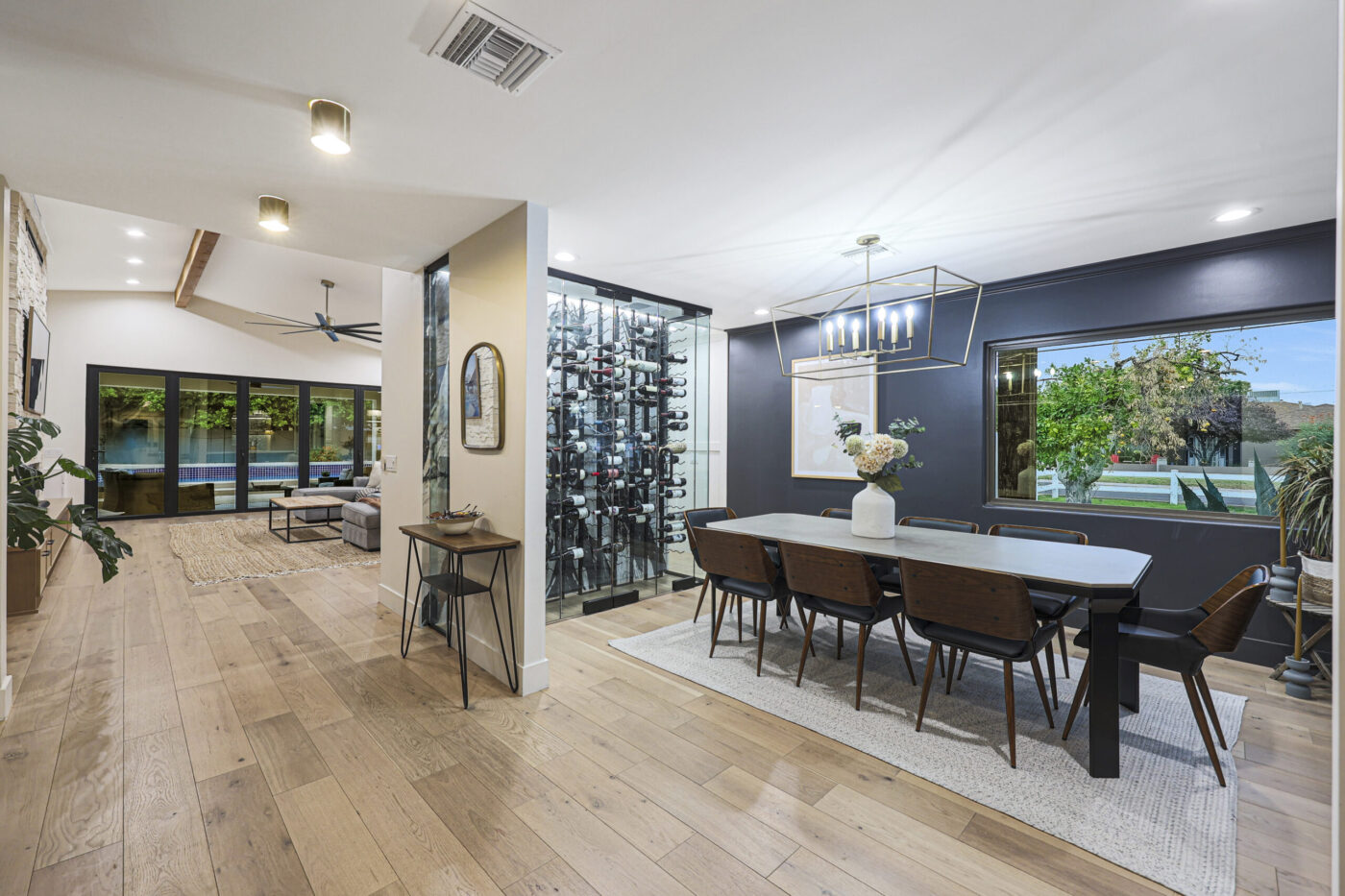 Electricity is the lifeblood of the modern home. From the silent operation of your refrigerator to the high-speed charging of your electric vehicle, we rely on a complex network of wires, breakers, and circuits to maintain our standard of living. However, most homeowners only think about their electrical system when something fails.
This guide serves as a deep-dive resource for homeowners across the country who want to understand their home’s infrastructure, improve safety, and prepare for the energy demands of the future. With over 30 years of experience, Belmont Electric is dedicated to elevating the standard of residential power.
I. The Core Infrastructure: Panels and Surge Protection
The Heart of the Home: The Electrical Panel
Your electrical panel (or breaker box) is the central distribution point for all electricity in your home. If your home was built more than 30 years ago, your panel may be rated for 100 amps or less. In a world of high-definition home theaters, multiple HVAC units, and induction cooktops, 200 amps has become the modern standard for safety and reliability. Ensuring your electrical panel service is up to date is the first step in home safety.
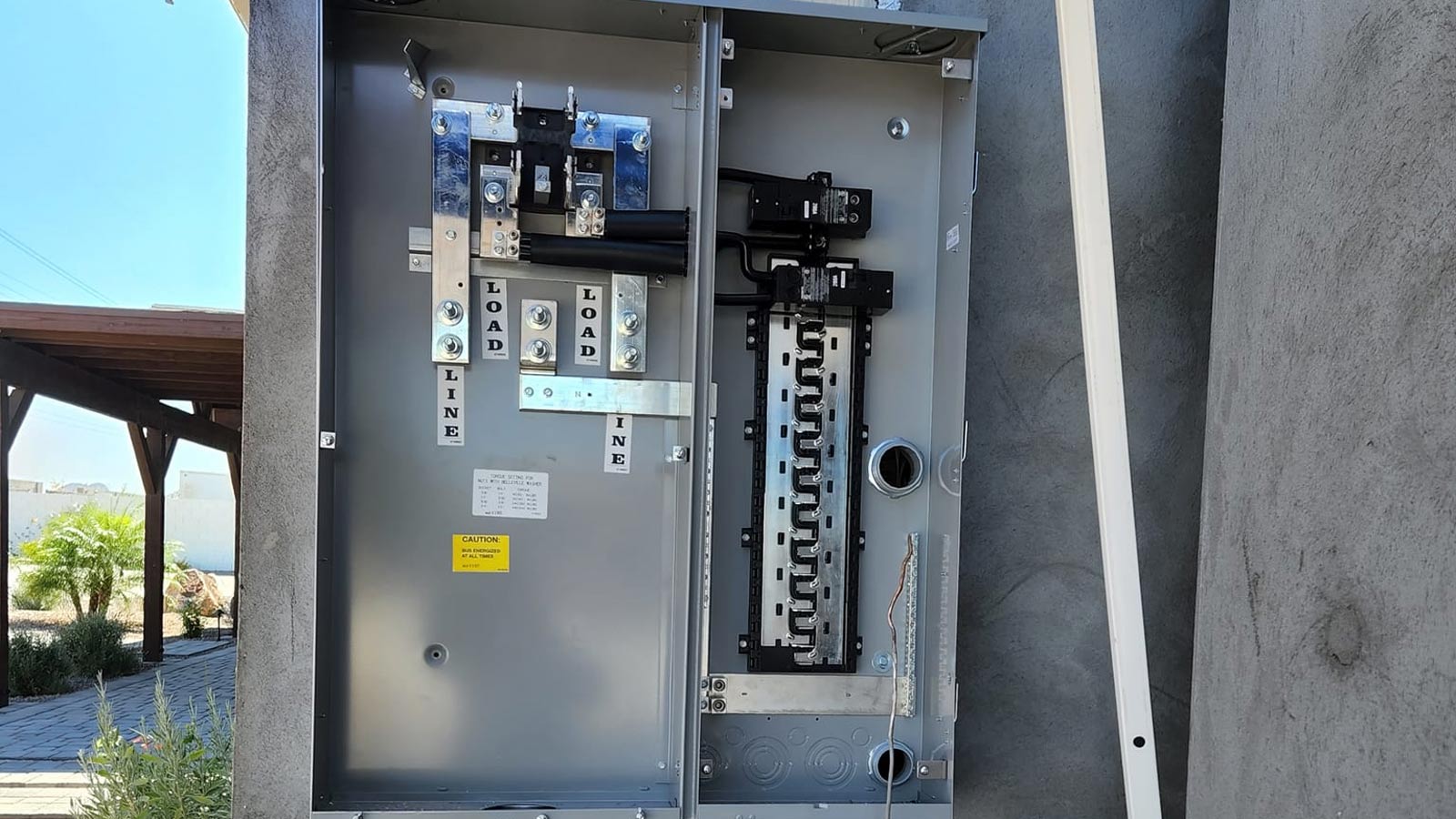 Upgrading a panel isn’t just about adding more capacity; it’s about safety. Modern panels feature advanced Arc-Fault Circuit Interrupters (AFCI) and Ground-Fault Circuit Interrupters (GFCI) that detect dangerous conditions—like a wire sparking behind a wall—and shut off power before a fire can start.
Whole-Home Surge Protection: Why Power Strips Aren’t Enough
A common misconception is that a $20 power strip protects your expensive appliances. In reality, power strips are designed for minor fluctuations. A catastrophic surge from a lightning strike or a utility grid failure requires a Whole-Home Surge Protective Device (SPD) installed at the main panel.
II. The Transition to Green Energy & EV Infrastructure
The “EV-Ready” Home
As electric vehicle (EV) adoption grows, home charging is no longer a luxury—it’s a necessity for property value. A Level 1 charger (standard wall outlet) can take over 24 hours to charge a car. A professional EV charger installation requires a dedicated 240V circuit, allowing for a full charge in just a few hours.
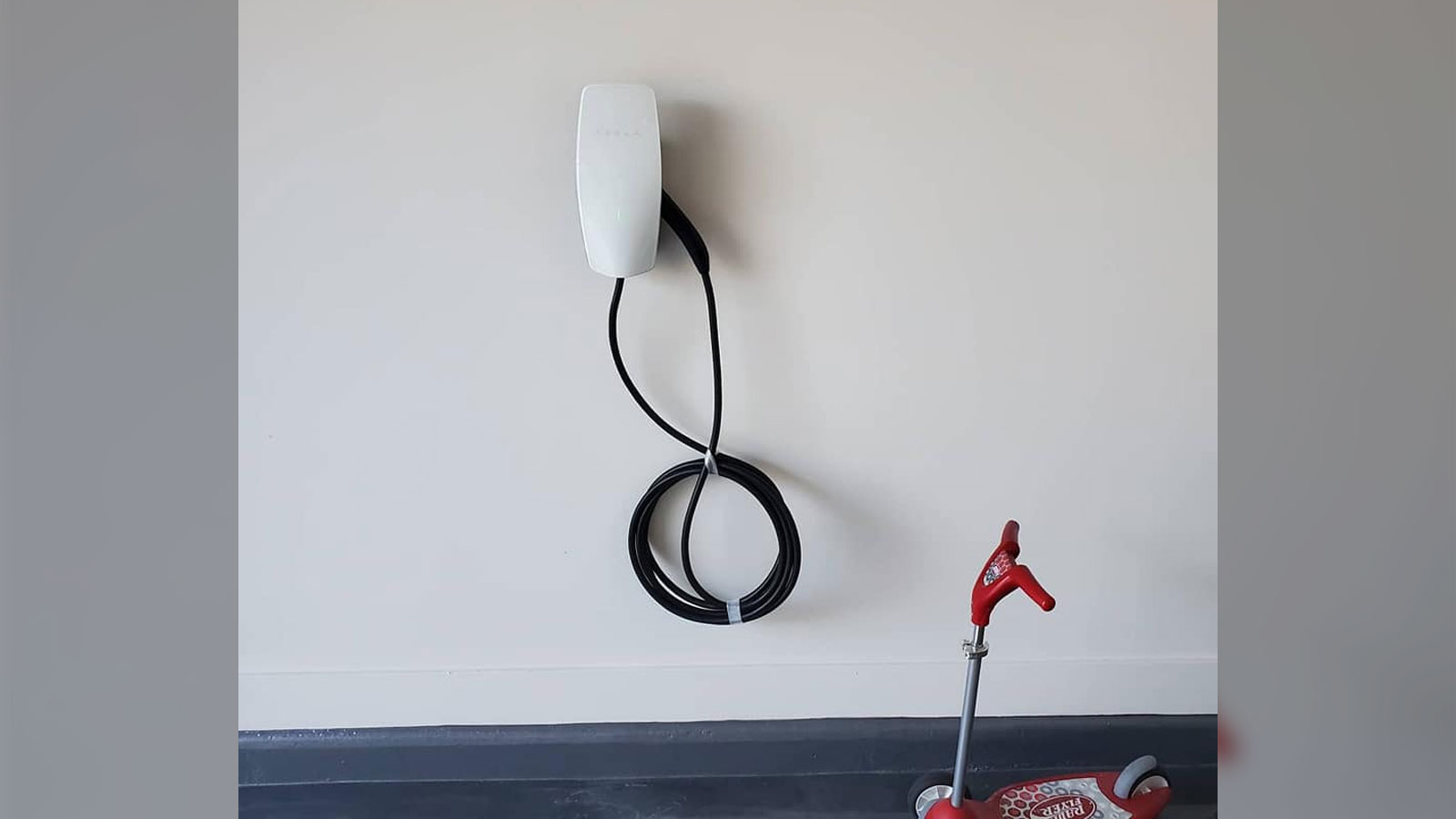 Before installing a charger, a load calculation must be performed. Adding a 50-amp car charger to an already stressed 100-amp panel can cause frequent breaker trips or even fire hazards. A licensed electrician ensures your home’s “budget” of electricity is balanced correctly.
III. Room-by-Room Electrical Safety & Innovation
The Modern Kitchen: High-Demand Zones
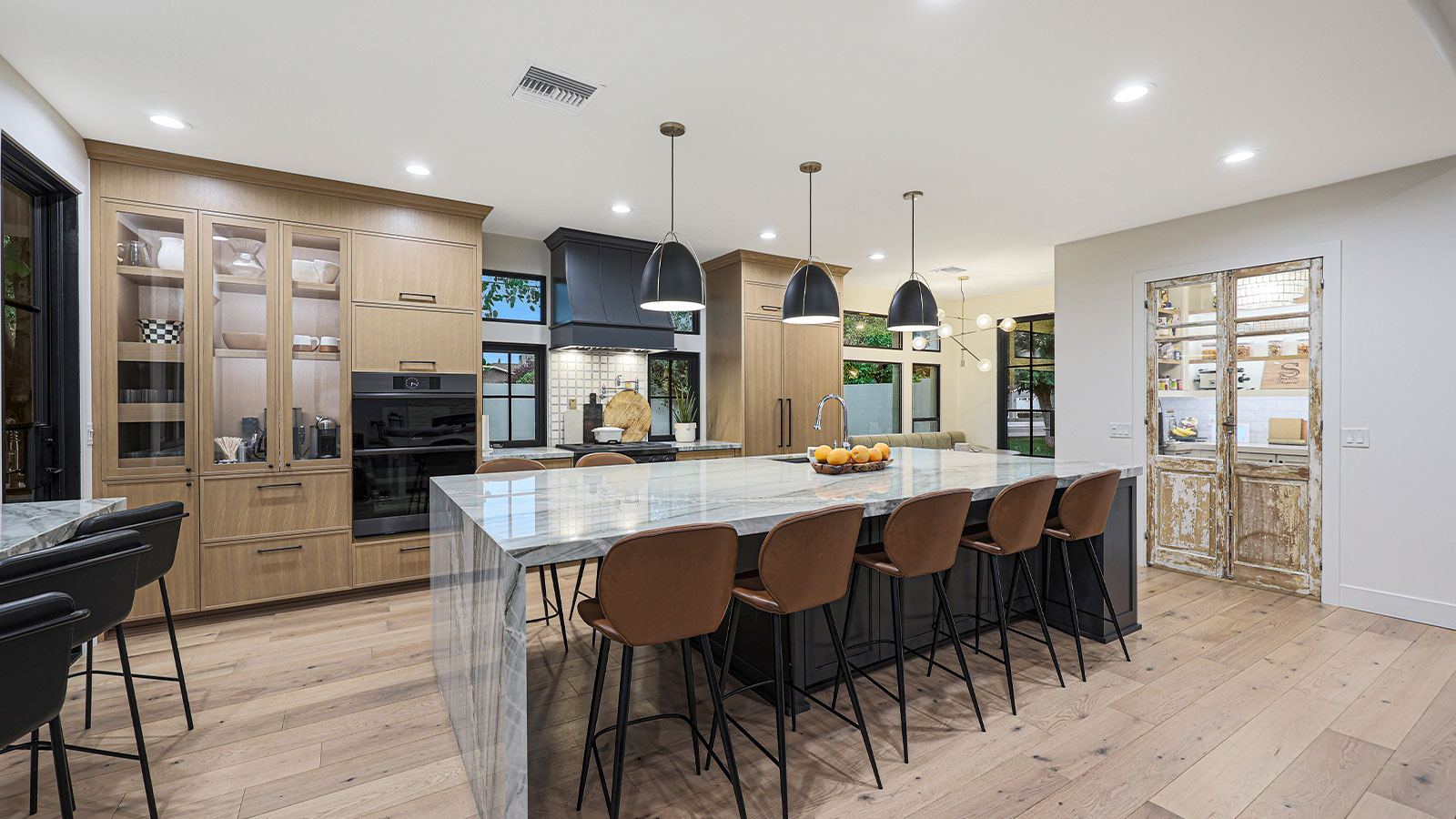
Kitchens are the most electrically dense rooms in a house. Modern codes require multiple “Small Appliance Branch Circuits” to ensure that your toaster, microwave, and coffee maker don’t trip a breaker when used simultaneously. Under-cabinet lighting and smart appliances further increase the need for strategic wiring.
The Home Office: Clean Power for Sensitive Electronics
With more people working from home, the “Home Office” now requires “clean” power. Electrical noise on a circuit can interfere with high-end monitors and computer hardware. Dedicated circuits for office equipment can prevent data loss and hardware degradation.
IV. Lighting Design: Ambiance Meets Efficiency
Indoor Lighting Solutions
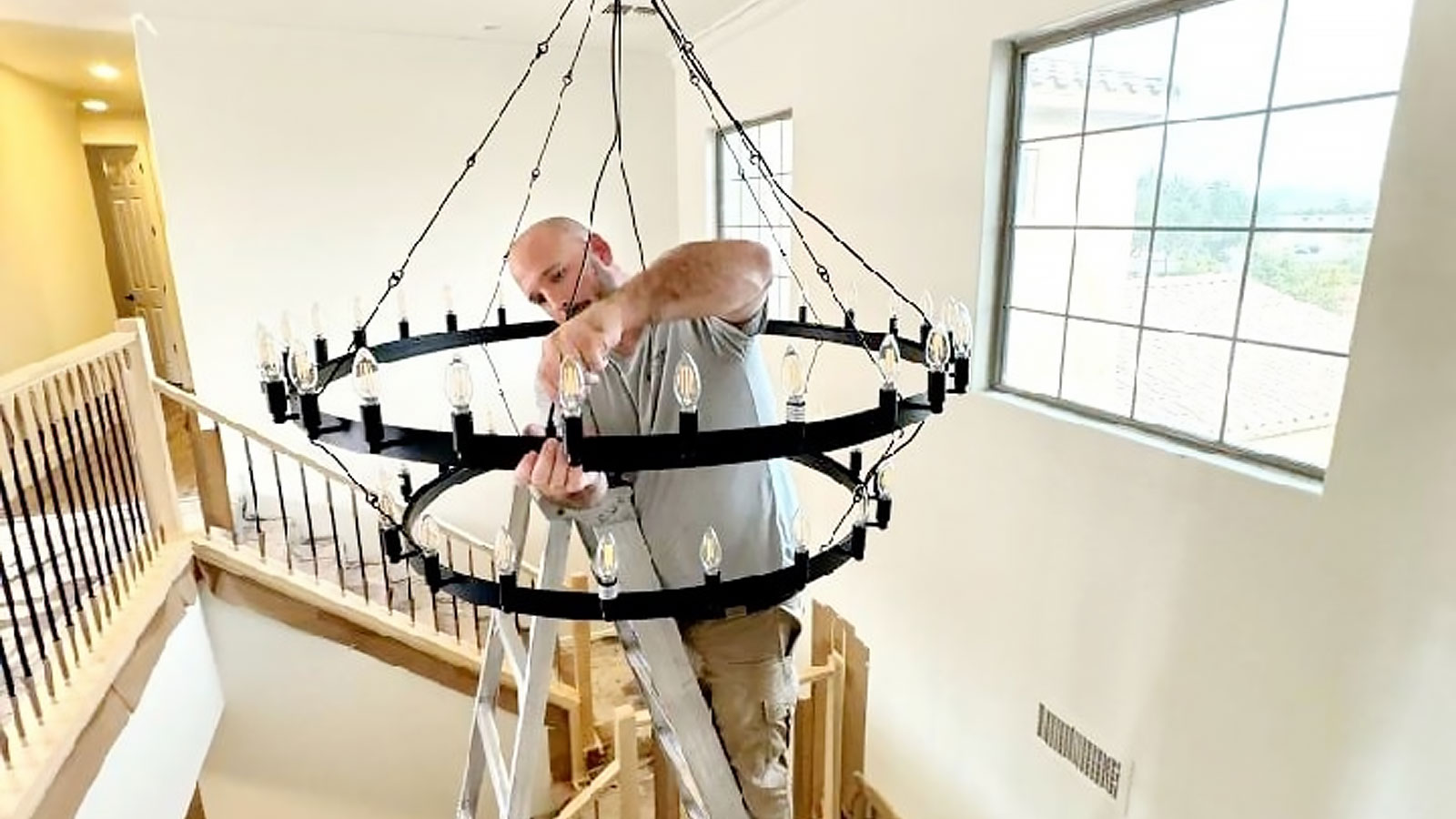
Lighting is no longer just about visibility; it’s about wellness and aesthetics. LED technology allows for “Tunable White” lighting that mimics natural sunlight, helping regulate your circadian rhythm. From recessed “can” lights to intricate chandelier installations, custom indoor lighting solutions can completely transform the architecture of a home.
V. Emergency Preparedness: Generator Systems
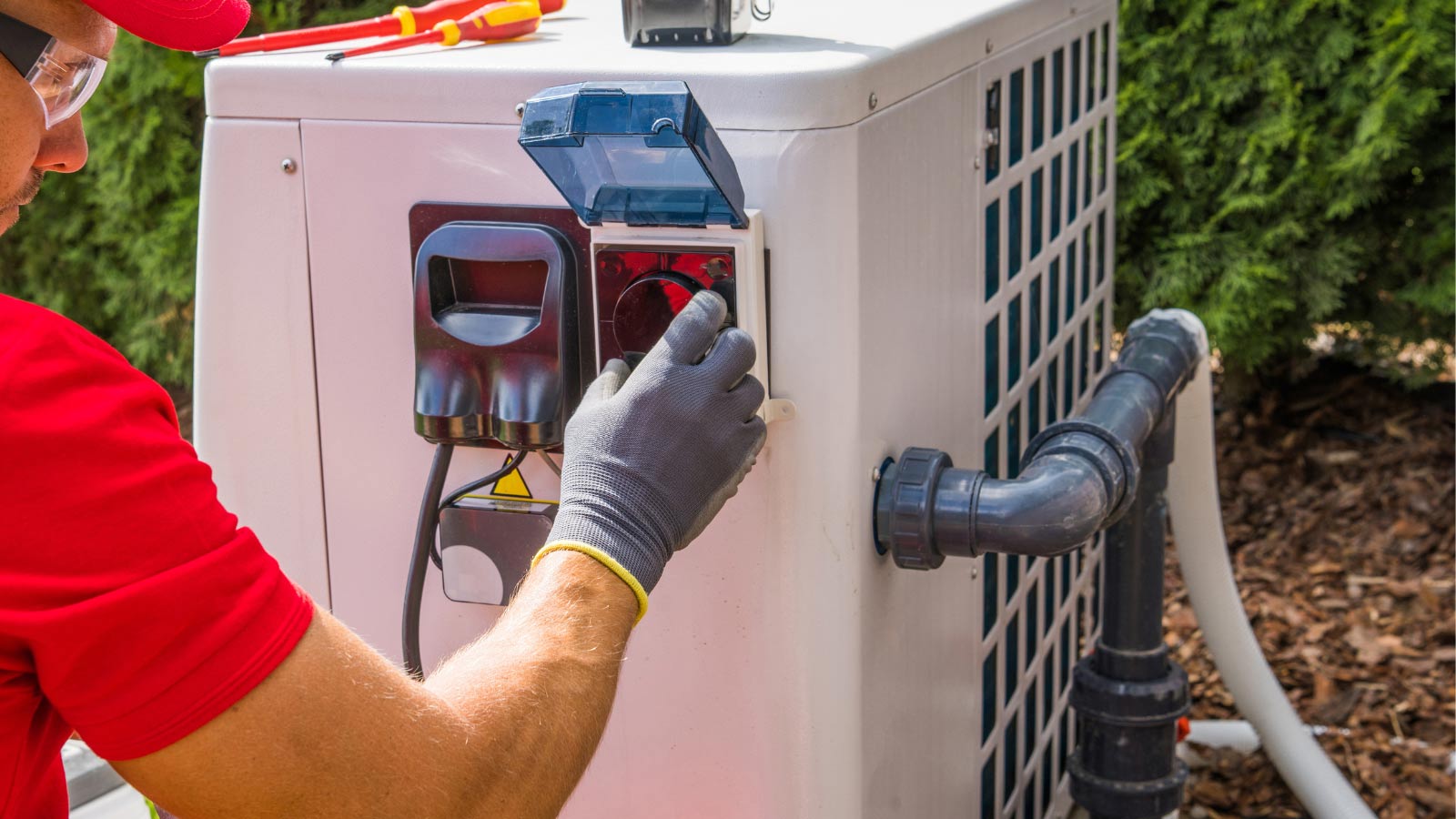
Grid instability is a growing concern. A standby generator system provides an automatic transition to backup power during an outage. These systems monitor your utility line and, within seconds of a power loss, engage to keep your HVAC, refrigeration, and medical devices running.
VI. Why Licensing and Certification Matter
The “DIY” movement has many benefits, but electrical work should not be part of it. Licensed electricians must undergo thousands of hours of training and adhere to the strict standards of the International Brotherhood of Electrical Workers (IBEW) or similar regulatory bodies. In many states, performing your own electrical work can void your homeowner’s insurance policy in the event of a fire.
Experience the Belmont Electric Standard
Whether you need a full panel upgrade, a smart home lighting overhaul, or an EV charger installation, our team brings 30 years of integrity to your doorstep. All work is backed by our 2-year warranty and a 100% satisfaction guarantee.