
What Phoenix’s Extreme Summer Heat Does to Your Home’s Electrical System
Most Phoenix homeowners approach summer as an air conditioning problem. Make sure the unit is serviced. Set the thermostat. Pay the APS or SRP bill and accept it as the cost of living in Arizona. The electrical system behind all of that rarely enters the conversation until something goes wrong.

That is exactly when it should have entered the conversation months earlier.
Phoenix summers do not just stress your HVAC system. They stress every component of your home’s electrical infrastructure simultaneously: the wiring in your attic that has been absorbing ambient temperatures approaching 160°F since June, the panel running near capacity as multiple air conditioning zones cycle continuously, and the breakers doing a job they were not necessarily designed to handle at the sustained loads that a 115-degree afternoon demands.
None of this is dramatic until it is. Electrical problems in extreme heat rarely announce themselves clearly in advance. A breaker that trips occasionally gets reset. A warm outlet plate gets ignored. Lights that flicker briefly get attributed to something vague. And then, on the hottest week of July when the system has been running at maximum demand for sixty days straight, a problem that was building quietly for years becomes something that cannot be ignored.
This article explains the specific mechanisms by which Phoenix’s extreme summer heat degrades residential electrical systems, what warning signs to watch for before a failure occurs, and what a pre-summer electrical evaluation by a licensed Arizona electrician actually addresses. Understanding what is happening inside your walls before summer arrives is the difference between a preventive conversation and an emergency call.
Phoenix Summer Is an Electrical Stress Test Most Homes Were Not Designed For
The National Electrical Code, which governs how residential electrical systems are designed and installed, is a national standard. It accounts for a wide range of climate conditions, but it was not written specifically for a market where outdoor temperatures exceed 110°F for weeks at a stretch and where homes run air conditioning systems at maximum output from May through September.
Most residential electrical systems in the Phoenix metro were sized based on the expected load at the time of construction. For homes built in the 1980s and 1990s, that load profile looked very different from what a modern Scottsdale or Phoenix household draws during a summer peak period. A single-zone central air system, a refrigerator, and standard lighting were the primary draws. Today’s home may be running multiple air conditioning zones, a pool pump, a spa, an EV charger, smart home systems, a home office, and a full complement of high-draw kitchen appliances, all simultaneously, on a panel and wiring system that was sized for a fraction of that demand.
The combination of increased electrical load and extreme ambient temperature creates a compounding stress that the system was not designed to handle. Understanding each component of that stress separately is the first step to understanding where your home may be vulnerable.
What Happens Inside Your Attic When the Temperature Hits 150°F
Most Phoenix homeowners know that their attics get extremely hot in summer. Fewer understand what that heat does to the wiring running through those attic spaces, and what the National Electrical Code says about it.
Ampacity Derating: The Technical Reality of Superheated Wiring
The National Electrical Code requires that wire ampacity, the maximum current a conductor can safely carry, be adjusted downward when the ambient temperature exceeds a standard baseline. Standard ampacity ratings for residential wiring assume an ambient temperature of approximately 86°F. When a Phoenix attic reaches 140°F to 160°F, the wiring running through that space must be derated significantly to operate safely within its rated thermal limits.
In practical terms, this means that wiring carrying a load that is perfectly acceptable at baseline ambient temperatures may be operating above its safe thermal limit in a Phoenix attic during peak summer. The wire itself does not know it has been derated. It carries whatever load is placed on it. The consequence of sustained over-temperature operation is accelerated insulation degradation, meaning the protective coating around the conductor becomes brittle, cracks, and eventually fails at a rate that would not occur in a moderate climate.
This is not a hypothetical risk. It is a documented engineering reality that applies directly to the wiring in older Phoenix and Scottsdale homes, and it is one of the primary reasons why a home’s electrical system warrants closer attention in this climate than it would in most of the country.
What the Vague Answer Looks Like
Homeowners who ask a non-specialist about wiring in hot attics typically receive a version of “wiring is designed to handle heat, you’ll be fine.” That answer is not entirely wrong as a general statement, but it ignores the specific derating requirements that apply to sustained high-temperature environments and the cumulative degradation that occurs in wiring that has been absorbing Phoenix attic heat for twenty or thirty years.
The professional answer involves a realistic assessment of the wiring’s age, installation method, and current condition, combined with an understanding of the specific thermal load that wiring has been absorbing over its service life. That assessment, conducted by a licensed electrician with experience in Arizona’s climate conditions, produces a picture of actual risk rather than a generalized reassurance. For homeowners in Phoenix or Scottsdale with homes built before the late 1990s, that picture is worth having before summer arrives, not after something fails.
The hidden risks of outdated wiring in Arizona go well beyond what most homeowners are aware of, and the heat dimension makes those risks more immediate than they would be elsewhere.

Why Your Breaker Keeps Tripping in Summer (And What It Is Actually Telling You)
A tripping breaker is one of the most common complaints Belmont Electric receives during Phoenix summers, and it is also one of the most misunderstood. Most homeowners treat a tripping breaker as an inconvenience to be reset. It is actually a communication from your electrical system that something is operating outside its designed parameters.
The Thermal Compounding Effect on Breakers
Circuit breakers protect wiring from overloads by detecting excess current and interrupting the circuit. The detection mechanism is thermal: a bimetallic strip inside the breaker bends when heated by excess current and triggers the trip. Here is what most homeowners do not know: the ambient temperature around the breaker affects its sensitivity. A breaker inside an electrical panel in a Phoenix garage or utility room that reaches elevated temperatures will trip more readily than the same breaker in a cool environment, even at the same actual current draw.
This means that a circuit running at a load that was fine all winter may trip repeatedly in summer, not because the load has changed, but because the combined effect of the load’s heat and the elevated ambient temperature around the panel is pushing the breaker’s thermal element past its trip threshold more quickly. Resetting the breaker does not address this. It restores power until the same condition recurs, usually within minutes.
What Repeated Tripping Is Telling You
A breaker that trips once and does not repeat is doing its job. A breaker that trips repeatedly on the same circuit is telling you one of several things: the circuit is consistently overloaded for its current rating, the breaker itself is worn and tripping prematurely, the wiring on that circuit has a resistance issue that is generating excess heat, or some combination of those factors is present.
None of those conditions resolve themselves. Resetting the breaker repeatedly while the underlying condition persists is asking the protection system to tolerate a condition it is designed to interrupt. At some point, a worn or overtaxed breaker may fail to trip when it should, and the protection it provides disappears precisely when it is most needed.
A licensed electrician can identify which of these conditions is present, whether the solution is a circuit upgrade, a breaker replacement, or a load assessment that redistributes demand across the panel. The electrical repairs and upgrades that address summer tripping issues are typically straightforward when caught early and significantly more complex when addressed after a failure.
The Panel That Worked Fine All Winter Has a Summer Problem
The electrical panel is the central distribution point for every circuit in your home, and it is the component most directly affected by the transition from mild Arizona winters to peak summer demand. A panel that handled winter loads without complaint may reveal limitations when the cooling season begins in earnest.
Load Capacity and the Modern Phoenix Home
A standard residential electrical panel installed in a Phoenix or Scottsdale home fifteen to twenty-five years ago was sized for a specific load profile that is now outdated for many households. The addition of variable-speed pool pumps, second and third air conditioning zones, EV charging circuits, home automation systems, and kitchen appliances with higher draw ratings than their predecessors has pushed many existing panels close to their practical capacity limits.
When a panel is operating near its maximum capacity during mild weather, it has no reserve for the additional sustained demand of a Phoenix summer. Air conditioning systems running at full output for ten to fourteen hours per day, every day, from May through September represent a load profile that has no equivalent in any other season. A panel without adequate headroom for that demand is a panel operating outside the conditions it was sized for.
The question of whether it is time to replace your panel is often answered most clearly in early summer, when the gap between what the panel was designed to handle and what the household actually demands becomes visible in breaker behavior, warm panel surfaces, and inconsistent circuit performance.

Bus Bar Connections and Heat-Related Resistance
Inside an electrical panel, circuit breakers connect to the bus bar, the central conductor that distributes power from the utility feed to each circuit. The connections between breakers and the bus bar depend on firm, clean contact to conduct electricity efficiently. Over time, and particularly in environments with repeated thermal cycling from Arizona’s extreme seasonal temperature swings, those connections can develop resistance from oxidation or slight loosening.
Resistance at a connection generates heat. Heat accelerates oxidation. Oxidation increases resistance further. This cycle, left unaddressed, produces a connection point that runs hot during peak load conditions, affects the performance of the circuit attached to it, and in severe cases creates a fire risk that has no visible symptom until the damage is significant.
A professional panel inspection before summer includes a thermal assessment of connection points, identification of any breakers or connections showing elevated resistance, and the opportunity to address those conditions before they become failures under peak load. The electrical panel services that Belmont Electric provides include exactly this kind of assessment, conducted by technicians with over thirty years of experience in Arizona’s specific conditions.
Outdoor Electrical Components Under Extreme Arizona Heat
Phoenix and Scottsdale homes typically have substantial outdoor electrical infrastructure: pool equipment, landscape lighting, exterior outlets, HVAC disconnects, and in newer homes, EV charging equipment. All of these components face a level of ambient heat exposure during Arizona summers that accelerates wear in ways that homeowners in moderate climates never encounter.
GFCI Outlets and Extreme Heat
Ground fault circuit interrupter outlets are required in outdoor locations and protect against shock hazards near water. The internal components of a GFCI outlet are rated for a range of operating temperatures, and sustained exposure to direct Arizona sun combined with ambient temperatures exceeding 110°F pushes those components toward the upper edge of their operational range. GFCI outlets that nuisance-trip in summer, fail to reset, or show signs of discoloration or deformation have been operating outside their design conditions and warrant replacement before failure creates a safety gap.
Pool Equipment and Sustained Load
Pool pumps, particularly older single-speed models, represent a significant and continuous electrical load during summer months when pool usage and water temperature both peak. The circuits feeding pool equipment run for extended periods under conditions that combine high ambient temperature with the heat generated by the pump motor itself. Wiring, conduit, and connections in those circuits deserve specific attention as part of any pre-summer electrical assessment, particularly in homes where pool equipment has been in place for more than a decade without inspection.
EV Charging During Peak Heat
Homeowners who have installed or are considering home EV charger equipment face a specific challenge in Phoenix: Level 2 EV chargers draw a sustained high current load for several hours per charge cycle. When that charging happens during peak summer hours, it adds to a panel that is already carrying the full load of a home’s cooling and appliance demand. The interaction between EV charging load, air conditioning load, and a panel’s available capacity is a calculation worth reviewing with a licensed electrician before it becomes a problem. Scheduling charging during overnight hours reduces the peak demand overlap, but it does not address an undersized panel or circuit that was not designed for the additional load.
The Real Cost of Ignoring Summer Electrical Stress
The cost of not addressing electrical system conditions before summer takes several forms, and most of them are significantly more expensive than the preventive work that would have addressed the underlying issue.
Emergency Service Timing and Availability
When an electrical failure occurs during the hottest week of a Phoenix summer, you are not the only household in the valley with a problem. HVAC contractors, electricians, and utility service teams are all operating at maximum demand during peak heat events. Emergency electrical service is available, but scheduling it during a period when every other homeowner in the metro is also dealing with heat-related system failures means longer wait times and less flexibility on timing.
For a household without functioning air conditioning during a Phoenix heat event, the timeline from “something stopped working” to “problem resolved” has real health implications, particularly for elderly residents, young children, and anyone with medical conditions that are affected by heat exposure. This is the urgency that preventive electrical work eliminates: a scheduled conversation in April versus an emergency call in July.
Secondary Damage When a System Fails Under Load
Electrical failures that occur under sustained high-load conditions do not always resolve cleanly. A panel breaker that fails to trip when it should can allow excess current to reach the connected wiring and appliances. An arc fault in overheated wiring can initiate a fire in wall cavities or attic spaces where the insulation and structural materials have been dried out by months of intense heat. The Arizona State Fire Marshal has documented electrical failures as among the leading causes of residential fires, and Arizona’s summer conditions create exactly the combination of high load, degraded insulation, and elevated ambient temperature that makes electrical fire risk most acute.
Replacing a worn breaker before summer costs a fraction of what it costs to address the consequences of that breaker failing under load. Addressing wiring in a superheated attic proactively is a different order of magnitude from addressing an attic fire. The math of prevention versus remediation in electrical systems is unusually clear.
What a Pre-Summer Electrical Assessment Actually Covers
A professional electrical assessment before the Phoenix summer season is not a sales exercise. It is a structured evaluation of the specific components most likely to be stressed by what the next five months will demand of your home’s electrical infrastructure.
Panel Condition and Capacity
The assessment starts at the panel: physical condition of the enclosure, age and condition of the breakers, thermal behavior of bus bar connections, available capacity relative to the household’s current load profile, and any signs of previous heat-related wear. This is not a visual inspection only. It includes load testing and thermal assessment of connection points to identify conditions that are not visible without instrumentation.
Attic Wiring Condition
A licensed electrician can assess accessible attic wiring for visible signs of insulation degradation, improper installation that increases heat exposure, and connection points that are showing wear. While a complete replacement of all attic wiring is not the typical outcome of an assessment, identifying specific sections that are compromised and addressing them before they fail under summer load is a concrete, actionable result.
Circuit Load Distribution
Many Phoenix homes have circuits that were adequate for their original load but are now carrying appliances and systems that were not part of the original electrical design. Identifying circuits operating near their rated capacity and redistributing load or upgrading circuits before summer demand peaks is far simpler than addressing a failure mid-season. This assessment also identifies opportunities for efficiency improvements, including lighting upgrades that reduce heat generation and overall electrical draw during peak hours.
Generator Readiness
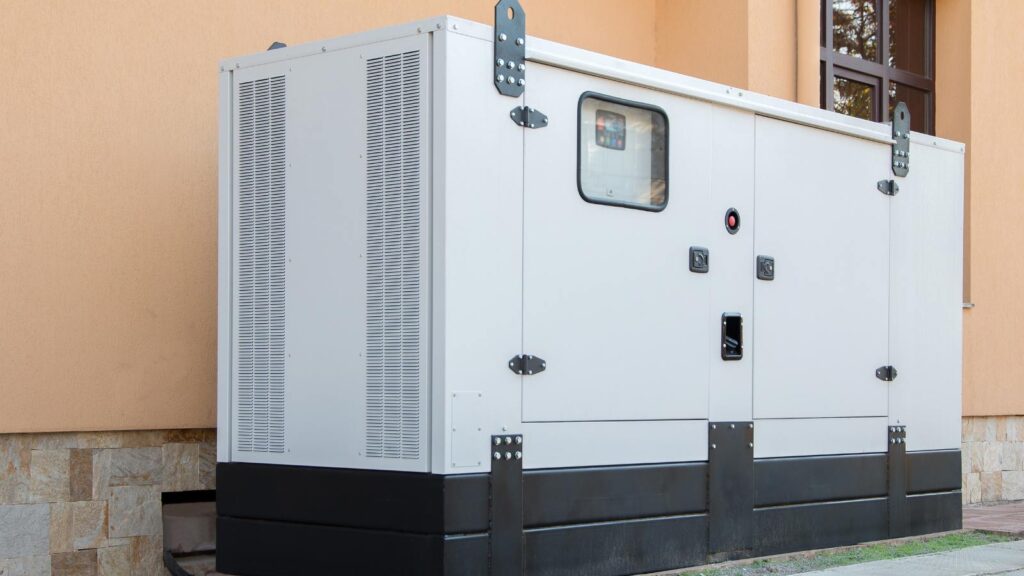
For homeowners with existing backup generators, pre-summer is the right time to confirm that the generator and its transfer switch are in operating condition. For homeowners who have been considering a generator and have not yet acted, the same dynamic that applies to HVAC service applies here: scheduling generator installation in spring means a straightforward appointment. Scheduling it after the first major monsoon outage means joining a waiting list that reflects the entire valley having the same idea at the same time. The relationship between backup power planning and Phoenix summer readiness is explored further in the post on backup power generators vs. batteries.
The Professional Advantage: What Thirty Years in Arizona Actually Means
Electrical work performed by an unlicensed or out-of-state contractor who has not worked in Arizona’s specific conditions has a knowledge gap that matters. Derating requirements for high-temperature environments, the specific failure patterns of panels installed in Phoenix’s heat, the interaction between solar installations and existing panel capacity, and the building code requirements specific to Arizona and Maricopa County are not universal knowledge. They are the product of experience in this climate.
Belmont Electric’s technicians have been working in the Phoenix metro for decades. The conditions that are unusual elsewhere, sustained extreme heat, attic temperatures that challenge wiring ratings, monsoon surge events, and the particular demands of homes running full cooling loads through five-month summers, are the conditions they work in every week. That experience is directly relevant to the accuracy of a pre-summer assessment and to the quality of any work performed to address what that assessment finds.
Every job is also performed by licensed, insured electricians, meaning the work meets Arizona’s licensing requirements, the workmanship is backed by professional accountability, and any homeowner who discovers a problem after the fact has a licensed contractor on record to contact. That accountability structure does not exist when work is performed by an unlicensed handyman or a contractor without the specific Arizona licensing that electrical work requires.
Homeowners in the greater Phoenix area, from Phoenix to Scottsdale, Glendale, Tempe, and the broader valley, can request a professional assessment and have that conversation before the season begins rather than after it delivers a failure.
The Clean Slate: What Your Electrical System Looks Like When It Is Ready for Summer
The outcome of addressing your home’s electrical system before Phoenix summer is not dramatic. It does not look like anything visible from the outside. What it looks like is a summer that runs the way summer is supposed to run: air conditioning that cycles without tripping breakers, a panel that handles full household load without warm surfaces or unexplained behavior, outdoor equipment that operates reliably from May through September, and the absence of the emergency call that would have happened otherwise.
That absence is the value. It is the emergency that did not occur. The appliances that were not damaged. The repair that was straightforward in April rather than urgent in July. The family that stayed cool during a heat event instead of waiting for a service call on the hottest day of the year.
Phoenix’s summer is coming whether or not your electrical system is ready for it. The question is whether you make that determination in advance or discover the answer when the system is already under maximum load.
Schedule Your Pre-Summer Electrical Assessment Before the Season Starts
Belmont Electric serves Scottsdale, Phoenix, Glendale, Tempe, Peoria, Surprise, Cave Creek, Paradise Valley, and communities throughout the greater Phoenix metro. The team brings decades of Arizona-specific electrical experience to every assessment and every job, with licensed technicians, full insurance coverage, and the transparency that Scottsdale homeowners have recognized with a 5.0 rating across more than 215 reviews.
If your home is more than fifteen years old, if you have been experiencing breaker trips, warm outlets, or flickering lights, or if you simply have not had a professional assessment of your electrical system and you live in one of the hottest metros in the country, this is the right time to schedule that conversation.
Request a quote online to schedule your pre-summer electrical assessment. The appointment you make in spring is easier, faster, and less expensive than the call you make in July.
Frequently Asked Questions About Electrical Systems and Phoenix Summer Heat
Why does my circuit breaker keep tripping in summer in Phoenix?
Breakers trip when a circuit draws more current than it is rated to carry. In Phoenix summers, air conditioning systems run continuously under extreme heat, drawing sustained high loads that push circuits close to or past their rated capacity. Elevated ambient temperatures around the panel also make breakers more sensitive to heat, meaning they may trip at a lower actual load than they would in cooler conditions. Repeated tripping is a warning signal that the circuit is consistently operating near its limit and warrants a professional evaluation.
How hot does a Phoenix attic get, and what does that do to electrical wiring?
Phoenix attics routinely reach temperatures between 140°F and 160°F during peak summer months. The National Electrical Code requires that wire ampacity be derated when ambient temperatures exceed a standard threshold. In practical terms, wiring in a superheated attic may be operating above its safe continuous load rating, which accelerates insulation degradation and increases the risk of failure over time. Homes more than fifteen to twenty years old with original attic wiring deserve specific attention on this point.
Should I get an electrical inspection before summer in Phoenix or Scottsdale?
Yes, especially for homes more than fifteen to twenty years old, homes with original wiring, or homes where breakers have been tripping intermittently. A pre-summer inspection identifies circuits, panels, and wiring conditions that are adequate under normal loads but become problematic under the sustained, extreme demand of an Arizona summer. Addressing those conditions in spring is significantly less disruptive and less costly than addressing them after a failure during peak heat.
Can an undersized or aging electrical panel cause problems during Phoenix summers?
Yes. Panels sized for a home’s original load may be undersized for the demands of a modern Phoenix household running multiple air conditioning zones, pool equipment, EV chargers, and high-draw appliances simultaneously. Aging panels with worn breakers or degraded connections also handle sustained high-load conditions less reliably. Both scenarios are worth evaluating before peak summer demand arrives.
Are electrical fires more common in summer in Arizona?
Electrical fires correlate with sustained high loads, elevated ambient temperatures, and the accelerated degradation of aging wiring and connections. Arizona summers create all three conditions simultaneously. The Arizona State Fire Marshal has documented electrical failures as a leading cause of residential fires, and the risk is concentrated during the months of peak heat and continuous high-demand operation.